
introduction
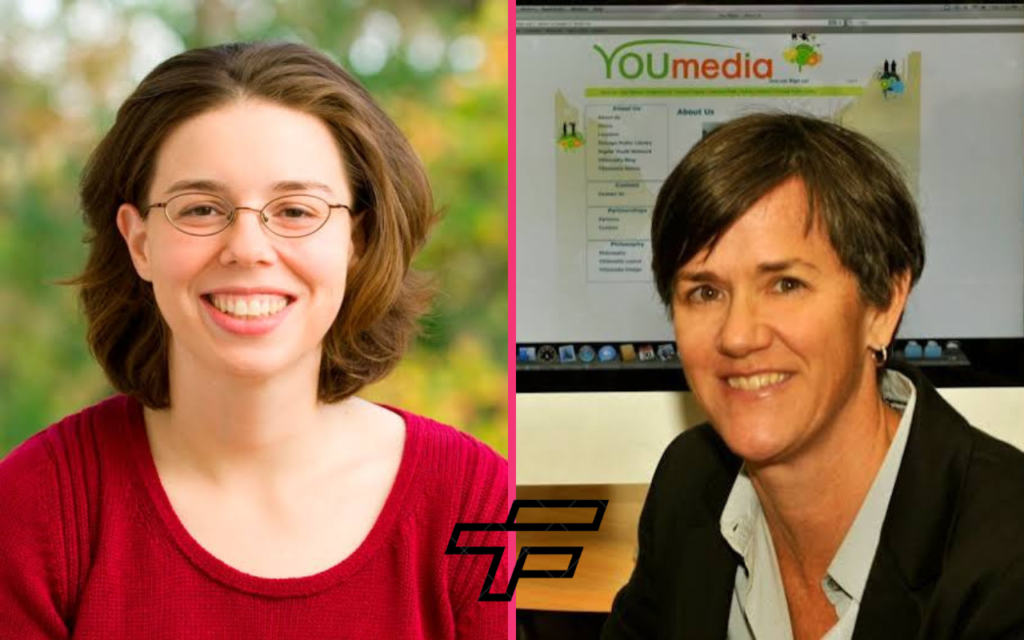
Amy Eshleman is an American public servant and former library professional who became widely known through her marriage to Lori Lightfoot, the former mayor of Chicago. However, her life story extends far beyond her connection to politics. Eshleman developed a career focused on public libraries, youth education, digital learning, and community engagement. Through her work with the Chicago Public Library and innovative educational initiatives, she contributed to efforts that helped young people explore their interests and develop valuable skills.
Her professional journey reflects the changing role of public libraries in modern society. Libraries increasingly provide opportunities for technology education, creative expression, research, and community participation alongside traditional reading services. Eshleman became associated with this development through her involvement in youth-centered learning programs, particularly YOUmedia.
Her public profile grew significantly when Lightfoot became Chicago’s mayor in 2019. Their marriage attracted national attention because Lightfoot made history as the city’s first Black woman and first openly lesbian mayor. Despite this visibility, Eshleman maintained a distinct professional identity rooted in education and public service.
Early Life and Educational Background
Amy Eshleman was born in Sterling, Illinois, a city in the northwestern part of the state. She spent her early years in Illinois before pursuing higher education and eventually building her professional career in Chicago. Although information about her childhood and extended family is limited, her educational background offers some insight into the experiences that preceded her work in public service.
Eshleman attended Sterling High School and later enrolled at Miami University in Oxford, Ohio. She earned a bachelor’s degree in history, according to published biographical accounts. Her education provided a foundation in research, communication, and the study of social institutions.
History encourages students to examine how communities develop, how public institutions change, and how people interact with their social environments. These subjects have connections to the work performed by libraries, which preserve knowledge while helping communities access information and educational resources.
After completing her education, Eshleman developed a career in the library sector. Rather than entering electoral politics, she focused on educational programming and services designed to support young people. Her professional path eventually brought her into leadership positions where she could contribute to the development of new approaches to learning.
Details about her parents, siblings, and early personal experiences have not been extensively documented in reliable public sources. Consequently, her biography is best understood through her education, professional achievements, and later public activities.
Career at the Chicago Public Library
One of the most important parts of Amy Eshleman’s professional life was her long association with the Chicago Public Library. She spent approximately 18 years working within the library system, developing experience in youth services, educational programming, and innovative approaches to public learning.
The Chicago Public Library serves residents throughout the city through its branches, collections, research services, and community programs. Its responsibilities extend beyond providing books. Libraries also help residents develop digital skills, access educational materials, participate in cultural activities, and discover opportunities for lifelong learning.
Eshleman’s work took place during a period when technology was changing how people accessed information. Computers, the internet, digital media, and interactive learning tools were becoming increasingly important to education. Public libraries had to adapt to these changes while continuing to provide accessible services to people from different backgrounds.
Youth services became an important area of her professional work. Teenagers often need educational environments that encourage independence, creativity, and collaboration. Libraries can provide such spaces by combining technology with guidance from experienced staff and opportunities to work with other young people.
Eshleman’s professional experience helped support the idea that libraries should respond to the interests and needs of their communities. Young people benefit when they can explore subjects beyond their regular school curriculum, whether through reading, music, photography, coding, or other creative activities.
Her work at the Chicago Public Library laid the foundation for her involvement in broader educational initiatives. It also gave her practical experience in developing programs that connected public resources with the interests of teenagers.
YOUmedia and Its Influence on Youth Learning
YOUmedia is one of the initiatives most closely associated with Amy Eshleman’s professional career. The program was created to give teenagers opportunities to explore creative and digital activities in an environment designed around their interests.
The original YOUmedia space opened in 2009 at the Harold Washington Library Center in downtown Chicago. It was designed for high school students and provided a setting where participants could experiment with technology, produce creative projects, and learn from peers and mentors.
The program offered opportunities to explore activities such as photography, music, video production, graphic design, and digital media. Rather than treating teenagers only as consumers of information, YOUmedia encouraged them to create and share their own work.
Eshleman helped lead the Chicago Public Library team responsible for developing the initiative. Her involvement reflected an educational philosophy that recognizes the importance of personal interests in learning. When teenagers are encouraged to explore subjects they genuinely enjoy, they may become more motivated to develop new skills and investigate unfamiliar ideas.
YOUmedia was also connected to the concept of connected learning. This approach brings together personal interests, supportive relationships, and practical opportunities to develop knowledge. For example, a young person interested in music might learn about recording equipment, digital production, collaboration, and communication while working on a creative project.
The program demonstrated how public libraries could provide educational experiences outside traditional classrooms. Teenagers could work independently, collaborate with others, and receive guidance without the pressure of a conventional school assignment.
The YOUmedia concept subsequently influenced similar learning spaces and youth programs in other communities. Its development helped strengthen the argument that public libraries can serve as centers for creativity, technology, and informal education.
Work With Educational Organizations and Digital Youth Programs
Eshleman’s professional experience extended beyond the Chicago Public Library. Following her library career, she worked as director of learning for the Urban Libraries Council and as partnerships lead for the Digital Youth Network at DePaul University, according to published reporting.
The Urban Libraries Council works with public library leaders to address shared challenges and improve services for communities. Its work includes supporting innovation, exchanging ideas, and helping libraries respond to changing educational and social needs.
Eshleman’s background in youth programming made her experience relevant to this work. She understood how public institutions could create welcoming environments where teenagers could explore technology, develop interests, and participate in collaborative projects.
Her involvement with the Digital Youth Network also connected her to efforts to expand access to digital learning. Partnerships involving universities, libraries, educators, and community organizations can create opportunities for young people to learn skills that are increasingly useful in education and employment.
These experiences show that Eshleman’s interests were not limited to a single library or city. Her work connected local educational programs with wider discussions about how young people learn in a technology-driven world.
The combination of practical library experience and educational partnerships helped shape her professional identity. It also demonstrated the importance of cooperation among public institutions when developing learning opportunities for children and teenagers.
Marriage to Lori Lightfoot
Amy Eshleman became widely recognized by the general public through her relationship with Lori Lightfoot, an American lawyer and politician who served as Chicago’s mayor from 2019 to 2023.
Lightfoot had a professional background in law and public administration before entering electoral politics. Her career included work involving government accountability and public institutions. When she won the Chicago mayoral election in 2019, she became the first Black woman and the first openly lesbian person elected to lead the city.
Eshleman and Lightfoot married on June 1, 2014. Their relationship developed before Lightfoot became mayor, and Eshleman had already established a career in public service.
Their marriage attracted attention because of its place in a changing American political landscape. Lightfoot’s election represented an important milestone for representation in local government, while their family life became more visible as Lightfoot assumed the responsibilities of mayor.
Despite the attention, Eshleman’s career remained different from her wife’s. Lightfoot worked in law and municipal leadership, whereas Eshleman focused on library services, educational programming, and youth development.
Their professional experiences shared an interest in public institutions and community needs, although they approached these areas from different perspectives.
Eshleman’s public identity should therefore not be defined exclusively by her marriage. Her earlier work with libraries and educational organizations represents a substantial part of her life and professional experience.
Family Life and Their Daughter
Amy Eshleman and Lori Lightfoot have an adopted daughter, Vivian Lightfoot. Their family received additional public attention during Lightfoot’s mayoral campaign and subsequent time in office.
Families connected to prominent political figures often face challenges in maintaining privacy. Public events, media interest, and the demands of government responsibilities can bring attention to personal matters that would otherwise remain private.
Eshleman and Lightfoot have generally maintained boundaries around their family life. Although some details have appeared in public reporting, information about their daughter and everyday family routines remains limited.
Eshleman’s professional background in youth services and her role as a parent are separate aspects of her life. Her work with teenagers demonstrates a professional commitment to educational opportunities, but it does not justify assumptions about private family decisions or experiences.
Their family also became part of broader conversations about diversity and representation in American public life. Lightfoot’s historic election brought greater visibility to LGBTQ+ families in positions of political leadership.
Nevertheless, Eshleman continued to have a professional background of her own. Her years working in public libraries and educational programs began before Lightfoot became mayor and remain important to understanding her accomplishments.
Role as Chicago’s First Lady and Youth Advocate
When Lori Lightfoot took office as mayor in May 2019, Amy Eshleman became more visible in civic life as the mayor’s wife and Chicago’s first lady.
The role of a mayor’s spouse does not automatically include formal executive authority. However, it can provide opportunities to highlight community issues, participate in public events, and encourage attention to charitable or educational initiatives.
Eshleman’s professional experience made youth development a natural focus. She had spent years working with library programs intended to give young people access to creative activities, technology, and educational resources.
In 2019, she became associated with efforts to expand opportunities for Chicago’s children and teenagers outside regular school hours. These opportunities included educational activities, technology programs, recreation, and other experiences that could help young people develop interests and practical skills.
Her involvement with youth programming was consistent with her previous career. Public libraries and community organizations often provide important resources for teenagers who need safe, accessible places to study, explore technology, or participate in group activities.
Eshleman’s background also offered a practical perspective on the value of partnerships. Libraries, schools, universities, and nonprofit organizations can reach more young people when they coordinate their services and share educational resources.
Although her public role became more prominent during Lightfoot’s administration, the issues she emphasized were connected to professional interests she had developed over many years.
My CHI My Future and Opportunities for Young People
My CHI My Future became an important part of Chicago’s broader effort to connect young people with activities and opportunities across the city. The initiative focused on helping children and teenagers discover programs involving recreation, education, arts, culture, and community participation.
For a large city, making youth activities accessible can be challenging. Opportunities may be spread across libraries, parks, museums, educational institutions, cultural organizations, and neighborhood groups. Families may not always know what is available or how their children can participate.
A coordinated approach can make it easier for young people to find activities that match their interests. It can also help community organizations reach residents who might otherwise be unaware of their services.
Eshleman’s experience in library programming was relevant to this kind of work. Libraries regularly connect residents with information, learning resources, and community activities. Her professional background gave her an understanding of how institutions could help teenagers discover opportunities beyond the classroom.
Programs of this kind can support personal development in several ways. Sports can encourage teamwork and discipline, creative activities can build communication and artistic skills, and technology programs can introduce practical digital knowledge. Volunteering and community activities can also help young people develop a stronger connection with their neighborhoods.
These initiatives do not replace formal education or family support. Instead, they provide additional opportunities for young people to explore their interests and learn in different environments.
The broader goal is to make meaningful activities easier to discover and access, regardless of a young person’s neighborhood or family resources.
Life After Lori Lightfoot’s Mayoral Administration
Lori Lightfoot’s term as Chicago mayor ended in May 2023, when Brandon Johnson succeeded her after winning the mayoral election. The change in leadership also marked the end of Eshleman’s period as the mayor’s spouse in the public spotlight.
However, her professional experience extends beyond those years. Her earlier work in libraries, educational organizations, and digital learning programs established a background independent of her wife’s political career.
Published reporting from 2019 described Eshleman as working independently as a learning experiences consultant following her earlier professional roles. This provides information about her career at that time, but it does not establish her current employment or professional activities in 2026.
Reliable public information about her more recent life is limited. It is therefore important to distinguish documented career history from unverified claims about her present circumstances.
Her professional interests remain relevant to wider conversations about public education. As technology continues to influence how people learn and communicate, libraries and community organizations can play an important role in providing accessible resources and creative learning environments.
Eshleman’s experience illustrates how skills developed in a public institution can contribute to broader educational initiatives. Her career involved helping young people access opportunities, encouraging creative exploration, and supporting new approaches to learning.
Conclusion
Amy Eshleman’s biography brings together public service, education, family life, and a long-standing interest in youth development. Her work at the Chicago Public Library and her involvement with YOUmedia helped advance an approach to learning that encourages teenagers to explore personal interests, use technology creatively, and develop practical skills.
Her subsequent work with educational organizations and digital learning initiatives expanded that experience beyond a single institution. These contributions demonstrate the potential of libraries and community partnerships to make educational opportunities more accessible.
Her marriage to Lori Lightfoot brought her into the public spotlight during a historic period in Chicago politics. Nevertheless, Eshleman’s professional achievements deserve attention in their own right. Her career shows that public service can take many forms, including the development of learning environments that help young people grow and participate in their communities.
Although details about her current activities and private life remain limited, her documented professional background offers a meaningful picture of her work. Amy Eshleman’s story is ultimately connected to the importance of accessible education, digital creativity, and community support for the next generation.