
Introduction
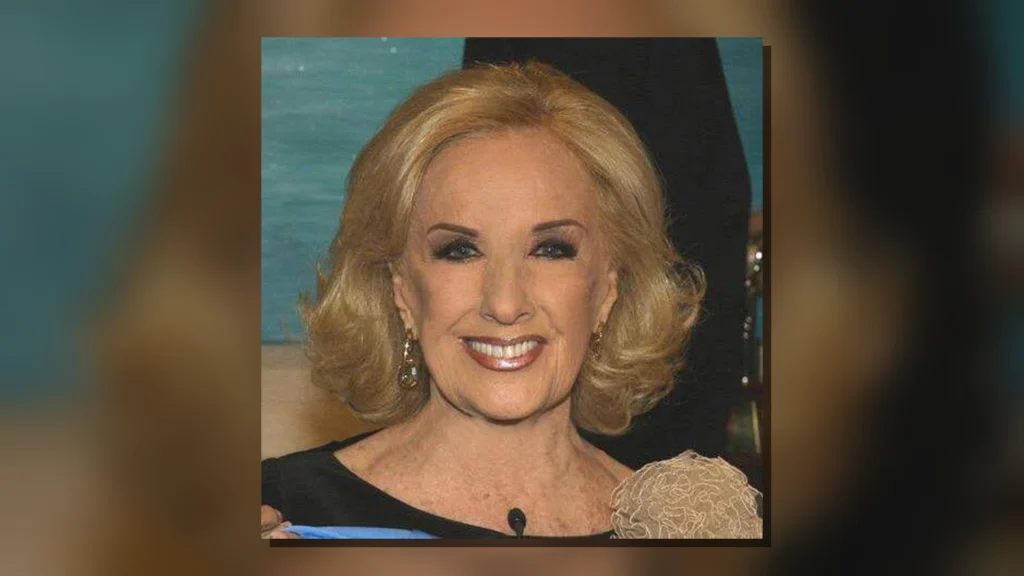
Mirtha Jung is a Cuban-American woman whose life became widely known because of her relationship with George Jung, one of the most infamous drug traffickers in American history. Although she lived much of her life away from public attention, her connection to George Jung and the events surrounding the international cocaine trade of the 1970s and 1980s brought her story into the spotlight. Public interest in Mirtha increased significantly after the release of the film Blow in 2001, which portrayed the rise and fall of George Jung’s criminal empire.
Despite being associated with one of the most controversial periods in modern drug-trafficking history, Mirtha Jung’s life is also a story of personal transformation. She experienced wealth, addiction, legal troubles, imprisonment, and ultimately rehabilitation. Her journey reflects both the dangers of criminal lifestyles and the possibility of rebuilding life after difficult circumstances. While she has remained largely private in recent decades, her story continues to attract attention from those interested in crime history, celebrity biographies, and personal redemption.
Early Life and Cuban Roots
Mirtha Jung, often identified as Mirtha Calderón Jung, was born on December 3, 1952, in Cuba. Although much of her early life remains private, it is believed that she spent her childhood during a period of significant political and social change in her home country. Eventually, she moved to the United States, where she would spend most of her adult life.
Unlike many public figures who share extensive details about their childhoods, Mirtha has rarely discussed her upbringing. As a result, information about her parents, education, and early family life remains limited. What is known is that before becoming connected to George Jung and the world of drug trafficking, she lived a relatively ordinary life.
Her early years did not suggest the dramatic path her life would later take. She was a young woman seeking opportunities and stability, unaware that she would eventually become connected to one of the most notorious criminal operations of the twentieth century.
Moving to the United States
After leaving Cuba, Mirtha settled in the United States, where she adapted to a new culture and environment. Like many immigrants, she faced the challenge of building a life in a different country while adjusting to unfamiliar social and economic conditions.
During her early years in America, she reportedly worked as a waitress and lived a relatively normal lifestyle. At this stage, she was far removed from the wealth and notoriety that would later become part of her story. Her life reflected the experiences of many young people striving to establish themselves in a competitive environment.
Living in the United States also introduced her to social circles and opportunities that eventually changed the course of her life. These experiences ultimately led to her meeting George Jung, a man whose activities would place both of them at the center of a major criminal enterprise.
Meeting George Jung
Mirtha Jung met George Jung during the 1970s, a time when he was becoming heavily involved in the international cocaine trade. Their meeting reportedly took place in Colombia, where George was expanding his connections within the drug-trafficking world.
The relationship developed quickly, and the two formed a strong connection. George Jung was already building a reputation as a major smuggler, and his involvement with powerful criminal organizations was increasing rapidly. For Mirtha, the relationship introduced her to a lifestyle that was dramatically different from anything she had previously experienced.
Their romance grew during a period of enormous financial success for George. The wealth generated by the cocaine trade allowed them to enjoy luxury, travel, and access to exclusive social circles. However, this glamorous lifestyle came with serious risks that would eventually affect every aspect of their lives.
Marriage During the Height of the Drug Trade
Mirtha and George Jung married in 1977, during one of the most profitable periods of George’s criminal career. At the time, he was involved with the Medellín Cartel, one of the most powerful drug organizations in history. The cartel controlled a significant portion of the cocaine entering the United States and generated enormous profits.
Their marriage unfolded in an environment of wealth and excess. Expensive homes, luxury items, and financial freedom became part of daily life. However, the same activities that generated these benefits also created constant dangers. Law enforcement investigations, criminal rivalries, and legal threats were always present.
Mirtha became involved in the drug culture surrounding George’s business activities. Reports suggest that she also developed a cocaine addiction during this period. The combination of criminal involvement and substance abuse created increasing challenges for both her personal life and marriage.
Although the lifestyle appeared glamorous from the outside, it was built on instability and constant risk. The consequences of these choices would soon become impossible to ignore.
Struggles with Addiction
One of the most difficult periods in Mirtha Jung’s life involved her struggle with cocaine addiction. Living in an environment where drugs were constantly present made it difficult to avoid substance abuse. Addiction affected many aspects of her life and contributed to growing personal and legal problems.
Drug addiction often creates a cycle of dependence that impacts relationships, health, and decision-making. For Mirtha, the problem became increasingly serious as her involvement in the drug world deepened. The addiction not only affected her personally but also placed additional strain on her marriage and family life.
Despite these struggles, her later actions demonstrate that recovery was possible. Her eventual commitment to sobriety became one of the most significant turning points in her life story.
Arrest, Prison, and Rehabilitation
The criminal lifestyle that surrounded Mirtha and George eventually led to legal consequences. Mirtha was arrested on drug-related charges and served approximately three years in prison. Her incarceration marked a major turning point in her life.
Prison provided an opportunity for reflection and personal change. During this period, she confronted the reality of her addiction and the consequences of her involvement in criminal activities. Many accounts suggest that she used this time to begin rebuilding her life and focus on recovery.
After her release, Mirtha reportedly remained committed to sobriety. Overcoming addiction is often a long and difficult process, but her experience demonstrates the possibility of positive change even after significant personal struggles.
Her rehabilitation became one of the defining achievements of her later life. Rather than returning to the lifestyle that had led to her imprisonment, she chose a different path focused on stability and personal growth.
Motherhood and Raising Kristina Sunshine Jung
One of the most important aspects of Mirtha Jung’s life is her role as a mother. In 1978, she and George Jung welcomed their daughter, Kristina Sunshine Jung. The arrival of their child added a new dimension to their lives and introduced responsibilities that extended beyond their personal struggles.
As legal and personal problems increased, raising a child became more challenging. However, following her rehabilitation and eventual separation from George, Mirtha focused much of her attention on her daughter. Motherhood became an important motivation for creating a more stable and healthier life.
Kristina Sunshine Jung later gained public recognition because of her connection to her parents’ story. Although she has occasionally appeared in media discussions related to her family history, Mirtha generally worked to protect her daughter from unnecessary public attention.
Divorce and Life After George Jung
The marriage between Mirtha and George Jung ended in divorce in 1984. By that point, years of addiction, criminal activity, and legal difficulties had created significant strain on the relationship. The separation marked the end of one chapter of Mirtha’s life and the beginning of another.
Following the divorce, she chose a much quieter lifestyle. Unlike George Jung, who occasionally discussed his experiences publicly, Mirtha largely disappeared from public view. She focused on rebuilding her life away from the attention associated with her former husband’s criminal reputation.
This decision allowed her to create distance from the events that had defined much of her earlier adulthood. Her choice to remain private has contributed to the limited information available about her later years.
Public Interest After the Film Blow
Interest in Mirtha Jung increased significantly following the release of Blow in 2001. The film told the story of George Jung’s rise and fall in the cocaine trade and introduced millions of viewers to the people involved in his life. Actress Penélope Cruz portrayed Mirtha in the movie, bringing renewed attention to her story.
Although the film dramatized many events, it highlighted Mirtha’s role during a critical period in George Jung’s life. The success of the movie led many viewers to seek information about the real individuals behind the story.
Despite the increased attention, Mirtha did not actively participate in media coverage or public discussions related to the film. Her continued preference for privacy reinforced the image of someone who had moved beyond her controversial past.
Conclusion
Mirtha Jung’s life is a remarkable story of transformation, resilience, and personal change. Born in Cuba and later moving to the United States, she became connected to one of the most infamous drug-trafficking operations in history through her marriage to George Jung. Her experiences included extraordinary wealth, addiction, imprisonment, and public scrutiny.
Yet her story is not defined solely by those challenges. Her recovery from addiction, commitment to rehabilitation, and focus on motherhood demonstrate a determination to create a better future. By choosing a private life after years of turmoil, Mirtha Jung distanced herself from the criminal world that once shaped her identity.
Today, she remains a figure of public interest because of her connection to George Jung and the historical events surrounding the cocaine trade. At the same time, her journey serves as an example of how individuals can rebuild their lives after facing serious personal and legal difficulties.