
introduction
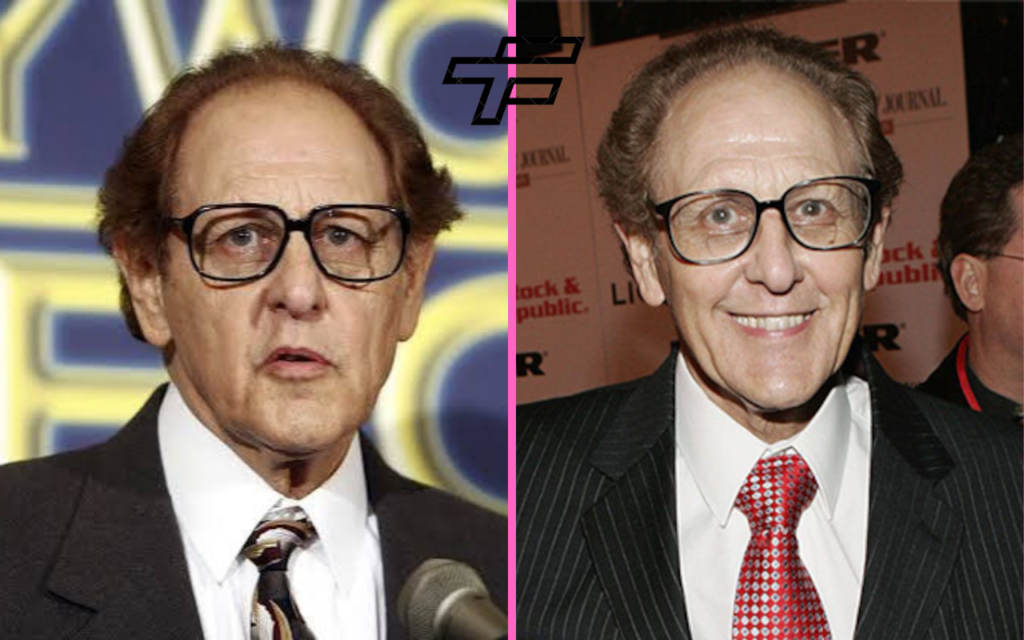
Philip Berk is a former entertainment journalist who became widely known for his decades-long involvement with the Hollywood Foreign Press Association (HFPA), the organization historically responsible for the Golden Globe Awards. Throughout his career, he worked as a film critic, participated in international entertainment journalism, and held several leadership positions within the association. His connection to the Golden Globes placed him among the influential figures in Hollywood’s awards community for many years.
However, Berk’s public reputation is also connected to controversies that emerged during the later years of his career. Allegations made by actor Brendan Fraser and a separate controversy involving an email circulated in 2021 ultimately became significant parts of his public story. His departure from the HFPA marked the end of a relationship that had lasted for more than four decades.
Understanding Philip Berk’s biography involves looking at his early life, education, journalism career, family background, leadership in the HFPA, and the events that shaped his later public reputation.
Early Life and Background of Philip Berk
Philip Woolf Berk was born on February 13, 1933, in Cape Town, South Africa. Although much of his public biography focuses on his professional life in the United States, his South African background is an important part of his personal story. He eventually moved to America, where he pursued his education and developed a career connected to the film industry.
Details about his childhood, parents, and early family circumstances are relatively limited in widely available biographical accounts. Consequently, his professional achievements and long association with Hollywood are better documented than many aspects of his early personal life.
Berk’s move to the United States placed him in an environment where film, television, and entertainment journalism were becoming increasingly influential. Hollywood was attracting international audiences, while newspapers and magazines continued to play an important role in shaping public understanding of actors, directors, and new movie releases.
His eventual career demonstrates how someone who begins with an interest in cinema can develop a professional role that extends beyond reviewing films. Through journalism and professional associations, Berk became connected to the people and institutions that helped shape Hollywood’s public image.
Although he later became a controversial figure, his early career was based on entertainment reporting and film criticism rather than acting or filmmaking.
Education and University Life
Berk studied at the University of California, Los Angeles, commonly known as UCLA. He graduated in 1955 from the university’s School of Theater, Film and Television, receiving an education that helped establish his connection to cinema and the entertainment business.
Film studies provide students with an understanding of storytelling, directing, acting, cinematography, and the historical development of movies. This knowledge can be valuable for journalists who must evaluate films and explain their artistic qualities to readers.
Berk’s education also placed him close to the American film industry. Los Angeles was already an important center for filmmaking, and the city’s entertainment culture provided opportunities for people interested in cinema to pursue related professional careers.
After completing his studies, Berk developed experience as a journalist and film critic. His work eventually connected him with publications and audiences in different countries, helping him establish an international perspective on entertainment.
His educational background is an important detail in his biography because it helps explain the direction of his career. Rather than pursuing a public role as an actor, he built his professional identity around discussing films, reporting on the entertainment industry, and participating in organizations that brought journalists into contact with Hollywood.
Philip Berk’s Career as a Film Journalist
Philip Berk worked as a film journalist and critic, contributing to publications associated with different parts of the world, including South Africa and Malaysia. He also wrote for the B’nai B’rith Messenger, a Jewish newspaper based in Los Angeles.
Entertainment journalism involves several responsibilities. Critics review films and performances, while reporters cover industry developments, interviews, award ceremonies, and changes in the business. Their work helps readers understand not only what appears on screen but also the creative and professional environment behind a production.
Berk’s work in journalism helped him develop relationships with members of the entertainment community. Film critics frequently interact with actors, directors, producers, publicists, and studio representatives through interviews, press screenings, and industry events.
These relationships became particularly relevant to his later work with the Hollywood Foreign Press Association. As an international entertainment journalist, he was part of a professional community that connected Hollywood with audiences outside the United States.
His career also illustrates the role of international correspondents in American entertainment. Hollywood movies are distributed worldwide, and international journalists help explain American productions to readers who may experience the industry through different cultural perspectives.
Although Berk eventually became more widely known for his position within the HFPA than for individual reviews, journalism provided the foundation for his professional life.
His Long Association With the Hollywood Foreign Press Association
The Hollywood Foreign Press Association was an organization of international journalists who covered the American entertainment industry. It became particularly famous for organizing the Golden Globe Awards, which recognized achievements in film and television.
Berk became a longtime member of the HFPA and remained involved for approximately 44 years. During that period, he served in several leadership positions, including eight terms as president. His extended involvement made him one of the organization’s most recognizable long-serving members.
The association provided a professional environment in which journalists could attend screenings, participate in interviews, and interact with representatives of the entertainment industry. Its annual awards ceremony also created opportunities for Hollywood to receive international media attention.
As a leader within the organization, Berk gained extensive experience with its administration and professional relationships. His position connected him with the organization responsible for a major event in Hollywood’s awards calendar.
However, the HFPA’s influence also brought questions about its governance, membership, diversity, and ethical practices. Over time, criticism of the organization became more prominent, placing pressure on its leadership to demonstrate transparency and accountability.
Berk’s long tenure meant that his name became closely associated with both the HFPA’s history and the controversies that challenged its reputation.
Philip Berk and the Golden Globe Awards
The Golden Globe Awards became one of the most recognizable ceremonies in the entertainment industry. The awards celebrate achievements in motion pictures and television, attracting actors, directors, producers, writers, and other entertainment professionals.
Through his leadership role in the HFPA, Berk participated in the organization behind the ceremony. His work placed him within the professional environment surrounding screenings, press activities, and the annual presentation of awards.
The Golden Globes have traditionally received considerable media attention because they recognize achievements across film and television categories. For performers, a nomination or award can bring additional publicity, while studios and distributors may use awards recognition as part of their promotional campaigns.
The HFPA’s position within this environment made its internal policies and professional conduct important matters. Questions about how members were selected, how the organization operated, and how it maintained ethical standards eventually attracted significant public scrutiny.
Berk’s influence within the organization was therefore part of a larger institutional story. His career reflects the way entertainment journalism, awards ceremonies, and Hollywood relationships can become closely connected over several decades.
At the same time, the Golden Globes’ reputation depended on public confidence in the organization administering them. The controversies that emerged during Berk’s later years demonstrated how concerns about individual members and organizational practices could affect a major entertainment event.
His Memoir and Internal Disagreements
In 2014, Berk published his memoir, With Signs and Wonders: My Journey from Darkest Africa to the Bright Lights of Hollywood. The book described his journey from South Africa to the United States and reflected on his experiences in entertainment journalism and the Hollywood Foreign Press Association.
The memoir also discussed people and events connected with the organization. Some colleagues objected to aspects of the book and its treatment of internal matters, creating disagreements within the association.
The episode highlighted a familiar challenge for professional organizations. Members may disagree about how much information should be made public, how colleagues should be portrayed, and whether personal accounts accurately represent an institution’s history.
Following the controversy, Berk took a voluntary six-month leave of absence from the HFPA, according to published biographical accounts.
The memoir remains relevant to his biography because it offers his own account of his professional journey. Nevertheless, a memoir represents an author’s perspective, and its claims should be distinguished from independently established facts.
For Berk, the publication was one of several events that demonstrated the tensions surrounding his long association with the organization.
Brendan Fraser’s Allegations Against Philip Berk
One of the most widely reported controversies involving Berk concerned actor Brendan Fraser. In February 2018, Fraser publicly alleged that Berk had groped him during an HFPA luncheon at the Beverly Hills Hotel in 2003.
Fraser discussed the incident in an interview with GQ. He described an encounter in which Berk allegedly touched him inappropriately as Fraser was leaving the event. Fraser said the experience upset him and affected how he felt about his place in the entertainment industry.
Berk disputed Fraser’s characterization of the encounter. He acknowledged pinching the actor’s backside but described the contact as a joke and denied that it constituted sexual assault. He also acknowledged writing an apology at the time, although the two men disagreed about the nature and significance of the incident.
After the allegations became public, the HFPA commissioned an investigation. The organization said its review found that Berk had touched Fraser inappropriately but did not establish that the contact was intended as a sexual advance. Fraser questioned the investigation’s handling and disagreed with the organization’s conclusions.
The controversy attracted considerable attention because it involved a prominent actor and a senior figure in a powerful entertainment organization. It also raised broader questions about professional boundaries, workplace conduct, and how organizations should respond when allegations are made against influential members.
In 2022, Fraser stated that he would not attend the 2023 Golden Globe Awards if nominated, citing his experience with the HFPA. He was nominated for his performance in The Whale but did not attend the ceremony.
The dispute became an important part of Berk’s public reputation and remained connected to wider discussions about accountability within Hollywood.
The 2021 Email Controversy and His Departure From the HFPA
In April 2021, Berk faced another major controversy after forwarding an email containing an article that described the Black Lives Matter movement in derogatory terms and criticized its co-founder, Patrisse Cullors.
The email drew strong objections from fellow HFPA members and added to existing concerns about the organization’s diversity and professional standards. At the time, the association was already under pressure to reform its membership practices and governance.
Berk later expressed regret for circulating the article, but the incident generated substantial criticism. NBC, which had broadcast the Golden Globe Awards, also called for decisive action from the organization.
On April 20, 2021, the HFPA announced that Berk was no longer a member. The decision ended his decades-long relationship with the association.
His expulsion occurred during a difficult period for the Golden Globes. The HFPA was facing criticism concerning racial diversity, financial arrangements, membership policies, and questions about its institutional credibility.
Berk’s departure became a highly visible example of the consequences of the controversy surrounding the organization. However, the broader problems facing the HFPA extended beyond one individual and required institutional changes.
The episode marked a significant turning point in Berk’s career because it ended his formal involvement with the organization that had defined much of his professional identity.
Personal Life, Marriage, and Family
Philip Berk has generally kept his family life relatively private. Public biographical accounts report that he married Ruth Greenberg in 1954 and that they have four children. Detailed information about his children and their personal or professional lives is limited in widely available reporting.
His family background receives less public attention than his work in entertainment journalism and his leadership of the HFPA. Unlike actors whose relatives may attract media coverage because of their own entertainment careers, Berk became known primarily through his professional activities.
His marriage and family represent a more private aspect of his life, which has otherwise been associated with Hollywood events and public controversies. It is important to distinguish documented biographical details from unsupported claims circulating on websites that publish celebrity profiles.
Berk’s personal history also reflects an international journey. Born in South Africa and educated in California, he built his career within the American entertainment industry while maintaining a connection to international journalism.
This background was particularly relevant to the HFPA, whose members historically reported on Hollywood for audiences in different countries. His life therefore combined an international background with a long professional association with one of the American entertainment industry’s most visible awards organizations.
Philip Berk’s Net Worth and Professional Legacy
Philip Berk’s exact net worth has not been reliably established through widely available public financial records. Online estimates should therefore be treated cautiously because they may not be supported by verified information about his assets, earnings, investments, or expenses.
His professional history is better documented than his personal finances. Berk spent decades working in entertainment journalism and held several leadership positions within the HFPA, including eight terms as president.
His career connected him with international film reporting, Hollywood’s awards season, and the administration of the Golden Globe Awards. These activities gave him a significant place in the organization’s history, although they do not establish his personal wealth.
Berk’s legacy remains complicated. His long service and involvement in the HFPA are important parts of the historical record, but the controversies involving Brendan Fraser and the 2021 email also shaped public perceptions of his career.
The Golden Globes subsequently underwent major organizational changes, including reforms to the awards’ former administrative structure. These developments reflected broader efforts to address criticism and maintain the ceremony’s position in the entertainment industry.
Berk’s story illustrates how an influential professional career can be remembered through both institutional achievements and disputes over conduct and accountability.
Conclusion
Philip Berk is a former entertainment journalist whose name became closely associated with the Hollywood Foreign Press Association and the Golden Globe Awards. Born in Cape Town, South Africa, he studied film at UCLA before developing a career in journalism and becoming one of the HFPA’s longest-serving members. His eight terms as president placed him in a prominent position within the organization for many years.
However, his public legacy also includes serious controversy. Brendan Fraser’s allegations concerning a 2003 encounter, Berk’s denial of the actor’s characterization, and the email incident in 2021 became defining events in the later stages of his career. The HFPA ultimately expelled him in April 2021, ending a relationship that had lasted for more than four decades.
His biography offers a broader lesson about the relationship between influence, professional responsibility, and public trust. While Berk played a longstanding role in Hollywood’s international press community, the controversies surrounding him demonstrate why institutional history must be considered alongside questions of accountability. His story remains connected to both the development of the Golden Globes and the changes that reshaped the organization behind them.