
Introduction
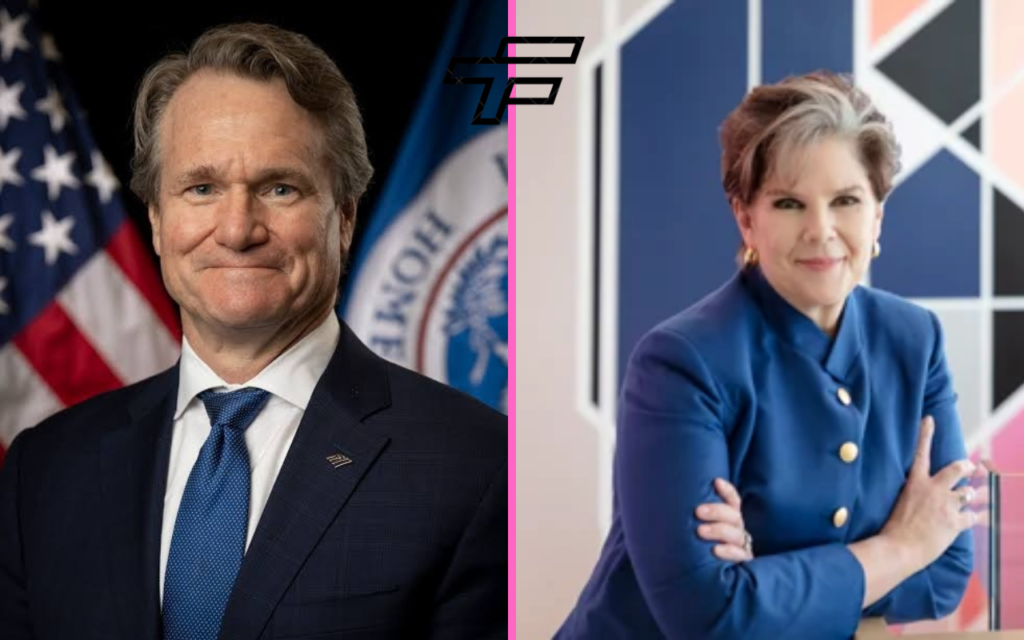
Phebe Novakovic and Brian Moynihan are two well-known American business executives whose careers reflect the importance of leadership, strategic planning, and responsible management in large organizations. Novakovic is associated with General Dynamics, a major aerospace and defense company, while Moynihan is the chairman and chief executive officer of Bank of America, one of the largest financial institutions in the United States. Although they work in different industries, both have held positions that require them to make complex decisions affecting employees, customers, investors, and the wider economy.
The professional backgrounds of Phebe Novakovic and Brian Moynihan are particularly interesting because they demonstrate two different paths to corporate leadership. Novakovic developed experience in government service before advancing through the defense industry. Moynihan began his career in law and later established himself in financial services. Their experiences illustrate how education, professional development, organizational knowledge, and long-term planning can shape an executive career.
Their names may appear together in discussions of influential American business leaders, but their careers are rooted in separate organizations. Understanding their individual achievements, professional responsibilities, and industries provides a clearer picture of their significance in the corporate world.
Who Is Phebe Novakovic?
Phebe Novakovic is an American executive known for her leadership of General Dynamics. She became the company’s chief executive officer on January 1, 2013, after serving in several senior management positions. Her career combines public service, strategic planning, business development, and experience in the aerospace and defense sector.
Before entering corporate leadership, Novakovic worked in the United States government. Her experience included positions connected with the Department of Defense, the Office of Management and Budget, and the Central Intelligence Agency. These responsibilities exposed her to government administration, national security priorities, and the decision-making processes that influence public institutions.
Novakovic joined General Dynamics in 2001. Over the following years, she gained experience in planning, business development, and marine systems. She subsequently became president and chief operating officer before taking over as CEO. This progression gave her an understanding of different parts of the business rather than limiting her experience to a single department.
Her education also contributed to her professional development. She graduated from Smith College in 1979 and earned an MBA from the Wharton School of the University of Pennsylvania in 1988. Her combination of government experience and business education helped prepare her for senior responsibilities in a company that works closely with government customers.
Novakovic’s career is an example of how experience in public administration can translate into corporate management. Her work has involved overseeing complex operations, allocating resources, managing long-term projects, and guiding a large organization through changes in technology and market demand.
Understanding General Dynamics and Its Business Operations
General Dynamics is a major American aerospace and defense corporation with businesses spanning military systems, shipbuilding, business aviation, and government technology services. Its operations support customers with different requirements, from military organizations seeking advanced equipment to corporate clients purchasing private aircraft.
The company operates through several major business areas. Its aerospace operations include Gulfstream business jets, while its marine systems businesses build and maintain submarines and surface ships. Its combat systems activities include land-based military equipment, and its technologies division provides information technology and mission-related services to government customers.
These businesses operate under different commercial conditions. Aircraft manufacturing depends on customer demand, production schedules, engineering capabilities, and economic activity. Defense programs may involve long development periods, specialized facilities, detailed contractual requirements, and extensive testing. Technology services require qualified personnel, secure systems, and the ability to respond to changing government needs.
As CEO, Novakovic has had to consider how these different activities fit within the company’s overall strategy. Large industrial projects require careful financial planning because their costs and schedules can extend across many years. Delays, supply-chain problems, or changes in customer requirements can affect business performance.
General Dynamics’ acquisition of CSRA in 2018 expanded its government information technology operations. The transaction strengthened its presence in federal technology services and demonstrated the company’s interest in combining traditional defense capabilities with technology-related expertise.
The company’s size and diversity make executive leadership particularly demanding. Its management must balance investment in new capabilities with production commitments, employee development, financial performance, and customer expectations.
Brian Moynihan’s Early Life, Education, and Career
Brian Moynihan is an American banking executive best known for his long-standing leadership at Bank of America. He became the bank’s chief executive officer in January 2010 and chairman of its board in October 2014. Under his leadership, the company has continued to serve individual customers, businesses, corporations, and institutional investors.
Moynihan attended Brown University, where he earned a Bachelor of Arts degree in 1981. He later obtained his law degree from the University of Notre Dame. His legal education provided a foundation for understanding contracts, corporate responsibilities, regulatory requirements, and the legal frameworks that influence financial institutions.
Before becoming Bank of America’s CEO, Moynihan gained experience in different areas of financial services. He joined Fleet Financial in 1993 and continued working in the industry as financial institutions changed through acquisitions and consolidation. Bank of America’s acquisition of FleetBoston Financial in 2004 brought his career into the company’s wider organizational structure.
Over time, Moynihan held increasingly senior positions and gained experience across different operating units. This broad background became valuable when he assumed the chief executive role in 2010. His responsibilities included guiding the bank’s strategy, overseeing financial performance, managing risks, and responding to changing economic conditions.
Moynihan’s leadership philosophy is commonly associated with the bank’s emphasis on responsible growth. This approach seeks to balance business expansion with financial discipline, customer service, regulatory compliance, and long-term stability. His work also extends beyond banking through professional organizations and educational leadership, including his role as chancellor of Brown University.
Bank of America and Its Role in the Financial Industry
Bank of America is one of the largest financial institutions in the United States. Its operations cover consumer banking, wealth management, commercial banking, investment banking, and global markets. The company provides financial services to individuals, small businesses, major corporations, and institutional clients.
Consumer banking includes everyday financial products such as checking accounts, savings accounts, credit cards, mortgages, and personal loans. Business customers may rely on the bank for commercial lending, payment processing, cash management, and financing. Wealth management services support customers with investment and financial planning needs.
The scale of these activities creates significant responsibilities for senior management. Banks must protect customer information, maintain reliable payment systems, evaluate borrowers carefully, and comply with financial regulations. They must also respond to changing interest rates, cybersecurity threats, digital competition, and shifts in consumer behavior.
Technology has become an important part of this environment. Customers increasingly expect convenient mobile banking, fast payments, secure digital transactions, and accessible customer support. Financial institutions therefore need to invest in technology while maintaining safeguards against fraud and operational disruption.
Moynihan’s role involves balancing these requirements with the bank’s financial objectives. The decisions made by Bank of America’s leadership can affect shareholders, employees, businesses seeking credit, and customers managing their personal finances. This makes banking leadership different from managing an industrial company, even though both require careful planning and risk assessment.
Comparing the Leadership of Phebe Novakovic and Brian Moynihan
Phebe Novakovic and Brian Moynihan offer an interesting comparison because their careers involve different types of expertise. Novakovic’s background includes government service, defense operations, and industrial management. Moynihan’s experience includes law, banking, financial services, and corporate governance.
Their professional paths demonstrate the value of understanding an organization’s operations before assuming its highest leadership position. Novakovic advanced through General Dynamics’ planning, development, and marine systems activities. Moynihan gained experience across different financial services businesses before becoming Bank of America’s CEO.
Both executives must consider long-term investment, organizational performance, and stakeholder expectations. General Dynamics must plan for complicated manufacturing programs and defense contracts, while Bank of America must maintain financial stability and serve customers across a broad range of economic conditions.
Their industries also require different forms of specialized knowledge. Novakovic’s sector involves engineering, defense procurement, aircraft production, and shipbuilding. Moynihan’s sector involves credit, deposits, lending, capital, financial markets, and regulatory compliance.
Despite these differences, their careers illustrate a shared principle of corporate management: major organizations need clear strategies, experienced teams, strong oversight, and the ability to respond to changing circumstances.
Are Phebe Novakovic and Brian Moynihan Professionally Connected?
The names Phebe Novakovic and Brian Moynihan may be discussed together because both are prominent American business leaders. However, their professional positions do not establish a personal relationship or a direct business partnership.
Novakovic has led General Dynamics, while Moynihan leads Bank of America. These companies operate in different sectors, with one focused on aerospace and defense and the other on banking and financial services.
Novakovic has also served on the board of JPMorgan Chase, a financial institution separate from Bank of America. This is a relevant detail when discussing her professional network, but it does not demonstrate that she and Moynihan have collaborated directly.
A reliable account should therefore distinguish between their shared status as influential executives and any specific relationship that can be documented. Without credible evidence, claims about friendship, family ties, or a joint business venture would be speculative.
Their careers can still be compared meaningfully through their leadership responsibilities, educational backgrounds, professional development, and influence on major American industries.
Conclusion
Phebe Novakovic and Brian Moynihan have established distinguished careers in two important areas of the American economy. Novakovic is known for her leadership at General Dynamics, where her background in government and business helped shape her approach to aerospace and defense management. Moynihan is recognized for leading Bank of America, overseeing a financial institution that serves individuals, businesses, and investors across the United States and internationally.
Their professional experiences demonstrate different routes to executive leadership. Novakovic moved from public service into the defense industry, while Moynihan progressed from legal work into financial services. Both careers highlight the importance of strategic planning, operational knowledge, responsible decision-making, and effective corporate governance.
Their leadership roles also reflect the different challenges facing their industries. Defense and aerospace companies must manage complex manufacturing programs and long-term government contracts, whereas banks must balance lending, financial stability, customer needs, and regulatory requirements.
An important current development is General Dynamics’ announcement that Danny Deep will succeed Novakovic as CEO on January 1, 2027, with Novakovic becoming executive chairman. Moynihan, meanwhile, continues as chairman and CEO of Bank of America.
Ultimately, the significance of Phebe Novakovic and Brian Moynihan lies in their individual contributions to corporate leadership. Although their careers follow different paths, both provide useful examples of how experienced executives guide complex organizations and make decisions with lasting implications for their companies, employees, customers, and industries.